Reverse Thinking: Flip the Problem, Find a Better Answer
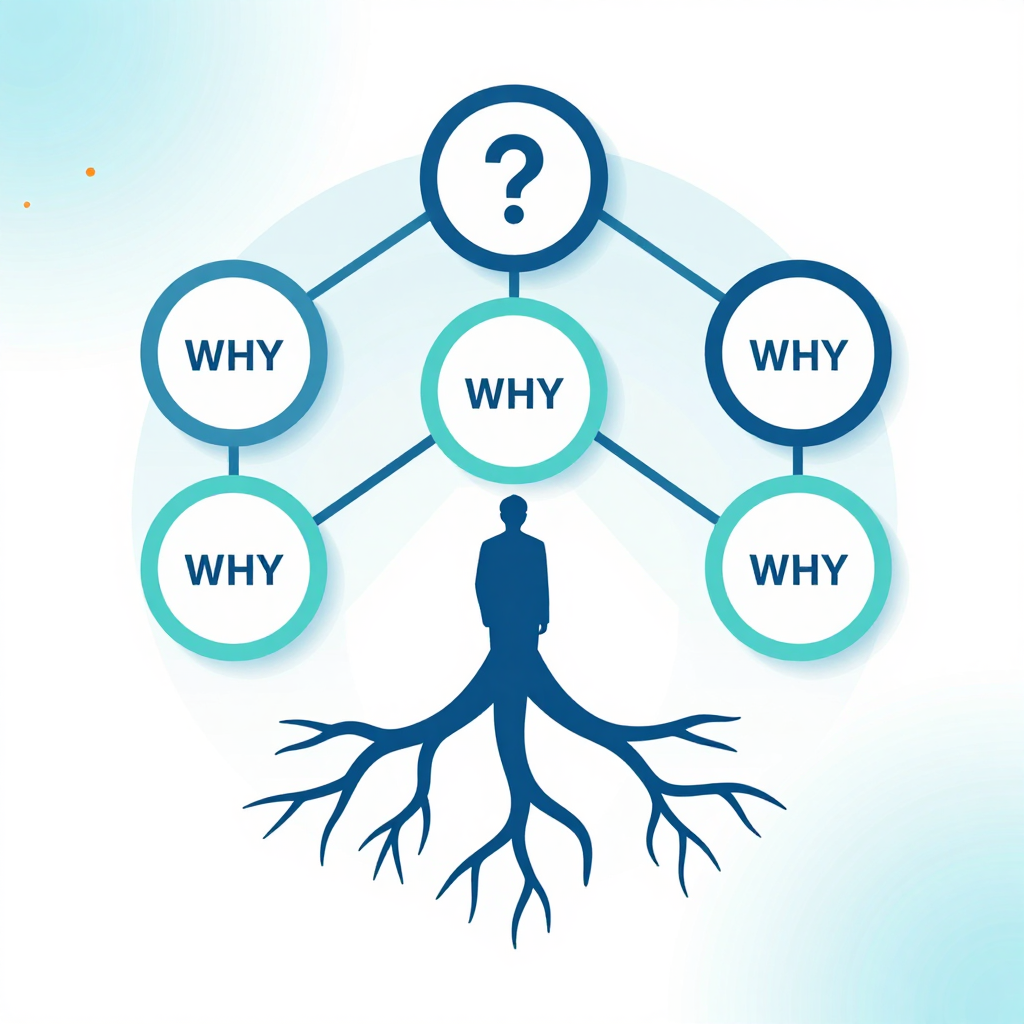
You know the feeling. A feature goes through eight rounds of feedback, but user numbers stay flat. A technical design gets reviewed three times, and everyone keeps circling the same issue. A child stares at the same math problem, getting more confused with each explanation. Push forward and you stay stuck. So flip the problem. Reverse thinking is not just contrarianism. It is a set of practical moves: start from the outcome you want to avoid and work back to causes, or stand at the finish line and trace the steps backward.
Why Forward Thinking Gets Stuck
Most of us follow the same sequence: cause first, then result; process first, then output. That works most of the time, but it comes with a hidden assumption. The causal chain is clear, or at least breakable into small predictable pieces. When that chain snaps, moving forward only spins the wheels. Take “why are users not signing up?” You think “maybe the landing page is not pretty enough.” You change the design. Nothing moves. Now invert the question: “What would I do to make absolutely sure users never sign up?” The answers show up fast: a 20-field form, no trust markers, a sign-up button that blends into the background. Suddenly the problem is concrete.
The reference material puts it plainly: reverse thinking means turning the problem around, asking how to produce the very outcome you want to avoid, or starting from the end goal and working backward. The flip works because forward thinking is boxed in by what you already know. Reverse questions turn those assumptions into targets.
Two Reverse Methods You Can Use Today
Reverse Brainstorming: Try to Make Things Worse
Normal brainstorming asks, “how do we solve this?” Reverse brainstorming asks, “how do we make it worse?” The process is small enough to run in a meeting.
Start with a goal. Say, “increase new-user registration.” Now ask the team: “If my job were to crash conversion to almost zero, what would I do?” Let the ideas fly. Require 20 mandatory fields. Set the SMS code to expire in six minutes. Make the button the same color as the page background. Put support links behind three menu layers. You will notice something: people generate bad ideas with zero pressure, sometimes with more energy than when they are hunting for solutions.
Then reverse the list. The form is too long, so keep only phone number and verification code. The code expires too fast, so give it ten minutes and allow a resend. The button disappears, so use a high-contrast color and place it above the fold. The support email is hidden, so put contact options in the bottom-right corner. These fixes were probably obvious all along, but in a normal forward discussion they get buried under “cost” or “timeline.” When you start from failure, the priorities change.
This method works especially well when a team is stuck. The implementation path from the source material: define the desired outcome first, then guide people through the necessary actions and potential obstacles in reverse order. That structure pushes people to anticipate challenges before they happen.
Working Backward: Start At the Finish Line
Reverse brainstorming helps you find solutions. Working backward helps you plan and execute.
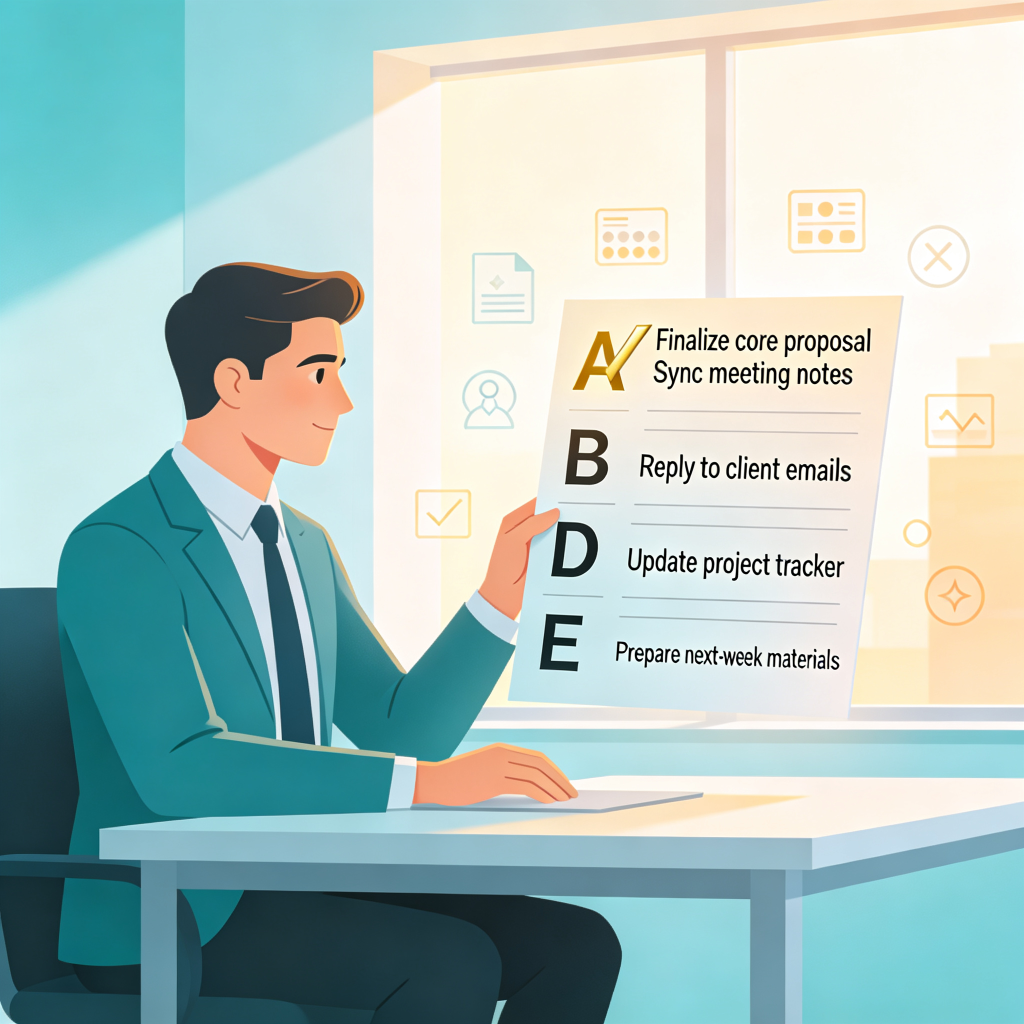
Try this example. It is early March, and you want a corporate training mini-program live by the end of June. Do not start with “what should March look like?” Define June first: it is live, 30 companies are running trials, and payments are flowing through the backend. Then work backward. By mid-May, you need at least 20 trial companies, which means core development and the first internal test should finish by the end of April. That requires a demo page by early April, which means the product prototype must freeze at the end of March. Now you know what March should be.
The exercise forces you to check every step. “Finish core development by the end of April” assumes two developers. If you only have two, you need to talk about schedule risk or shrink the first release. The source material describes this as a way to break down complex problems and build solutions around the goal. It also highlights precise goal-setting and a methodical approach. Working backward is not just scheduling. It is a test of whether the goal makes sense.
Small Drills, Good Fit, and a Caution
Small Drills You Can Run Any Day
Reverse thinking can be trained in small, low-cost activities. These work for individuals and small groups.
- Word puzzles and letter grids. Unscramble interlettered words, find hidden quotes, complete letter grids. These verbal and language exercises look like games, but they train focus and patience. They force the brain to process information outside the normal order. You cannot rely on routine; you have to look for patterns. That is the same muscle reverse thinking uses.
- Ethical dilemma experiments. Give yourself a two-sided problem, such as “should we publish a data report that boosts team efficiency but invades some privacy?” Write your gut answer first. Then take the opposite position and gather evidence for it. Go back and recheck your original judgment. The source material says this method makes you question assumptions, rely on evidence, and revise ideas as you test them. The point is not a perfect answer. The point is seeing where your thinking has blind spots.
- Silent group sharing. In a meeting, do not open with verbal discussion. Give everyone five minutes to write their point of view on a sticky note, then share them one by one. This design breaks the default rule that whoever talks first shapes the conversation. Quieter people get a low-pressure way in. The source material notes that starting in a low-pressure setting helps build confidence and brings out more voices. Strictly, this is not reverse thinking. But it is the same idea: change the order and the outcome changes.
None of these drills are hard on their own. The hard part is consistency. I have a small habit: once a week, I take one real scenario and spend five minutes answering “how would I make this project fail?” Then I flip the answers into an action list.
Where It Fits Best
From my experience, reverse thinking is most useful where forward progress keeps hitting a wall. You debate the same idea and get no new output. The goal is so big you cannot find the first step. The team culture is cautious, and no one wants to challenge the status quo. In all these cases, a reverse question lowers the cost of thinking out loud.
The source material also mentions sports teams. Athletes under pressure tend to spiral into self-doubt if they think forward only. A structured reverse-thinking routine helps them refocus during games, build confidence and ownership, think through challenges, and reflect after the match. A team around a whiteboard is not that different from a locker room.
The Boundary
Still, reverse thinking is not a magic wand. If you do not have enough base information, you cannot even imagine the “failure path,” so the backward route collapses. In that situation, you need research, not a thinking technique. In most cases, the best approach is hybrid: reverse the problem to find key variables, then go forward and verify.
Wrapping Up
The real value of reverse thinking is not being contrary. It is breaking the default path. You can create a deliberately bad answer and turn it inside out. You can define the finish line and walk backward. Next time you are stuck, ask yourself one question: “If I really wanted to make this worse, what would I do?” The answer is often right across the street.